
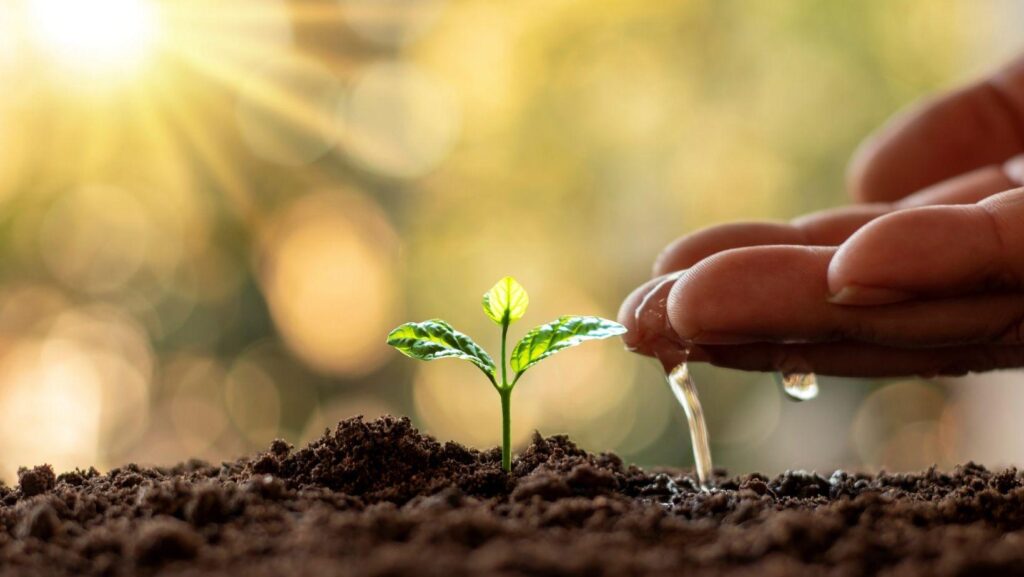
Healthy soil and clean water are the foundation of life on Earth. Together, they sustain plants, animals, microorganisms, and entire ecosystems that depend on stable environmental conditions to survive. Biodiversity—the variety of life found in a particular habitat or across the planet—is closely linked to the quality of these natural resources. When soil is fertile and water is free from pollution, ecosystems can flourish, supporting a wide range of species and the ecological processes that keep the environment balanced. Conversely, when soil and water become degraded, biodiversity declines, disrupting food webs, reducing ecosystem resilience, and threatening both wildlife and human well-being.
Healthy Soil: The Basis of Thriving Ecosystems
Soil is far more than the dirt beneath our feet. It is a complex, living ecosystem composed of minerals, organic matter, air, water, and billions of microorganisms. Healthy soil contains bacteria, fungi, earthworms, insects, and countless other organisms that work together to decompose organic material, recycle nutrients, and improve soil structure. These organisms play an essential role in supporting plant growth by making nutrients available and maintaining the physical conditions necessary for healthy roots. In turn, thriving vegetation provides food, shelter, and breeding grounds for a wide variety of wildlife.
Plant Diversity Begins Below Ground
The relationship between soil health and biodiversity begins with plants. Fertile soils support diverse plant communities, which attract pollinators such as bees, butterflies, and birds. Herbivores depend on these plants for food, while predators rely on healthy populations of prey species. Each organism contributes to a complex web of interactions that strengthens ecosystem stability. A rich diversity of plant species also improves soil health by contributing organic matter, reducing erosion, and creating habitats for beneficial soil organisms. This cycle demonstrates how healthy soil and biodiversity reinforce one another.
Clean Water Sustains Life
Clean water is equally important for maintaining biodiversity. Freshwater ecosystems, including rivers, lakes, wetlands, and groundwater systems, provide habitats for thousands of species of fish, amphibians, aquatic plants, insects, and microorganisms. Water is also essential for terrestrial ecosystems because it supports plant growth, regulates temperature, and transports nutrients throughout the environment. Animals depend on clean water for drinking, reproduction, and survival, while healthy aquatic systems contribute to the overall functioning of surrounding landscapes.
The Effects of Water Pollution on Biodiversity
Water quality directly influences the health of ecosystems. Pollutants such as petroleum products, industrial chemicals, pesticides, fertilizers, and heavy metals can disrupt aquatic environments by reducing oxygen levels, introducing toxins, and altering natural chemical balances. Even low levels of contamination can have long-lasting effects on sensitive species, leading to reduced reproduction, increased disease, and population declines. As biodiversity decreases, ecosystems become less resilient and more vulnerable to additional environmental stresses such as climate change and invasive species.
Preventing Pollution to Protect Nature
One of the greatest threats to soil and water quality is pollution from human activities. Industrial operations, agricultural runoff, improper waste disposal, and leaking underground infrastructure can introduce harmful contaminants into the environment. Underground storage tank removal is one of the preventive measures that helps reduce the risk of petroleum and hazardous chemical leaks into surrounding soil and groundwater. By safely removing aging or damaged tanks before they fail, environmental professionals help preserve clean water, maintain healthy soils, and protect the habitats that countless plant and animal species depend upon.
Restoring Ecosystems Through Environmental Remediation
Environmental remediation plays an important role in ecosystem recovery. When contaminated soil is removed or treated, beneficial microorganisms gradually return, allowing natural biological processes to resume. Native vegetation can be replanted, stabilizing the soil and providing habitat for wildlife. Groundwater quality often improves over time as contaminants are removed or naturally broken down by microorganisms. Although ecological recovery may take years, restored environments frequently support increasing numbers of plants, insects, birds, mammals, and aquatic species as conditions improve.
Ecosystem Services That Benefit People
Healthy ecosystems also provide valuable services that benefit human communities. Fertile soils support agriculture by producing healthy crops while reducing the need for excessive fertilizers. Vegetation growing in healthy soils helps prevent erosion, stores carbon, and filters pollutants before they reach waterways. Wetlands and forests naturally clean water by trapping sediments and absorbing nutrients, improving water quality downstream. Diverse ecosystems are also more resilient to droughts, floods, pests, and diseases, making them better able to adapt to changing environmental conditions.
Sustainable Practices for Biodiversity Conservation
Conserving biodiversity requires an integrated approach that recognizes the connections between soil, water, plants, animals, and human activities. Sustainable farming practices such as cover cropping, crop rotation, reduced tillage, and responsible fertilizer use help maintain soil fertility while protecting nearby waterways. Urban planning that incorporates green infrastructure, rain gardens, and permeable surfaces reduces stormwater runoff and minimizes pollution entering rivers and lakes. Strong environmental regulations governing hazardous materials, underground infrastructure, and industrial waste further reduce the risk of contamination that could harm ecosystems.
The Importance of Community Involvement
Education and public awareness are equally important. Communities that understand the value of healthy soil and clean water are more likely to support conservation initiatives, pollution prevention programs, and environmental restoration projects. Businesses can adopt environmentally responsible practices that reduce waste and protect natural resources, while individuals can contribute by properly disposing of hazardous materials, conserving water, and supporting habitat restoration efforts. Collective action at every level helps preserve biodiversity for future generations.
Climate Change and Environmental Resilience
Climate change adds another dimension to the importance of protecting soil and water quality. Healthy soils store significant amounts of carbon, helping reduce greenhouse gas concentrations in the atmosphere. Diverse ecosystems are generally more capable of adapting to changing temperatures and shifting rainfall patterns than degraded ones. Protecting wetlands, forests, grasslands, and healthy agricultural soils therefore contributes not only to biodiversity conservation but also to climate resilience.
Healthy soil and clean water form the foundation upon which biodiversity depends. They sustain the microorganisms that enrich the soil, the plants that support wildlife, and the freshwater systems that nourish countless species. Protecting these resources through pollution prevention, sustainable land management, environmental remediation, and responsible environmental stewardship helps preserve ecosystems and the many benefits they provide. By investing in soil and water conservation today, society strengthens biodiversity, safeguards public health, and creates a more sustainable and resilient environment for generations to come.